Hamstring injuries
A pulled hamstring is common in anyone who runs, plays sport or chases after children. It also has a habit of coming back if it is not rehabbed properly.
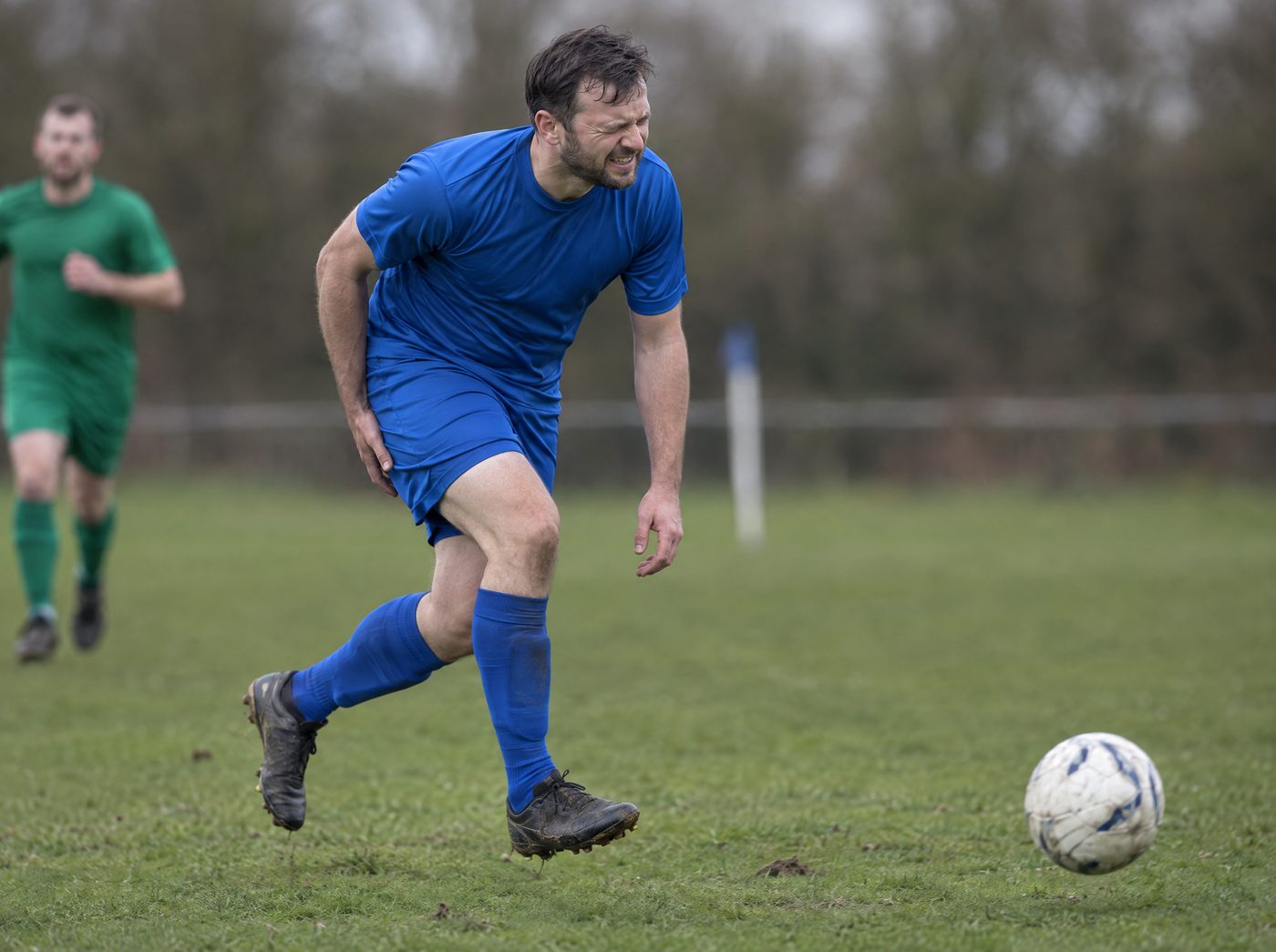
Hamstring injuries range from mild strains to complete tears that need surgery. They often happen when sprinting or reaching for a ball, and they are increasingly common in active adults in their 40s and 50s. We guide you from the early, protective stage through to full strength and running, with a plan to stop it happening again.
You might notice
- A sudden sharp pain in the back of the thigh
- Bruising and swelling in the days after the injury
- Pain when stretching, bending forward or walking quickly
- Weakness when bending the knee
- Tightness that returns when you try to run
Common causes
- Sprinting or accelerating suddenly
- Overstretching, for example when slipping or kicking
- Fatigue and a sudden increase in training
- A previous hamstring injury
- Strength imbalances between the legs
How we work on hamstring injuries.
- 01
Protect the injury
Settle pain and protect healing tissue in the early days, without complete rest.
- 02
Restore movement
Regain range through controlled movement rather than aggressive stretching.
- 03
Rebuild strength
Progressive loading, including exercises that train the muscle as it lengthens.
- 04
Run, then sprint
A staged return to running and sprinting, tested before you go back to sport.
- Assessment of how severe the injury is and whether a scan or surgical opinion is needed
- A staged plan from protection through to full strength
- Strength testing against your uninjured leg
- A gradual return to running and sprinting
- A prevention programme to keep you injury free
Mild strains often recover in a few weeks, more severe tears can take a few months, and rehab after hamstring repair surgery usually takes four to six months. We base each step on how your leg is performing.
Elite-level care, on your case.
The people who have looked after Premier League footballers and Premiership rugby players will look after you. Same standards, same attention to detail, whatever brings you in.


Your first appointment.
01
We listen
Your first appointment lasts an hour with a senior physiotherapist. We start by understanding your symptoms, your history, your work and what you want to get back to.
02
We find the cause
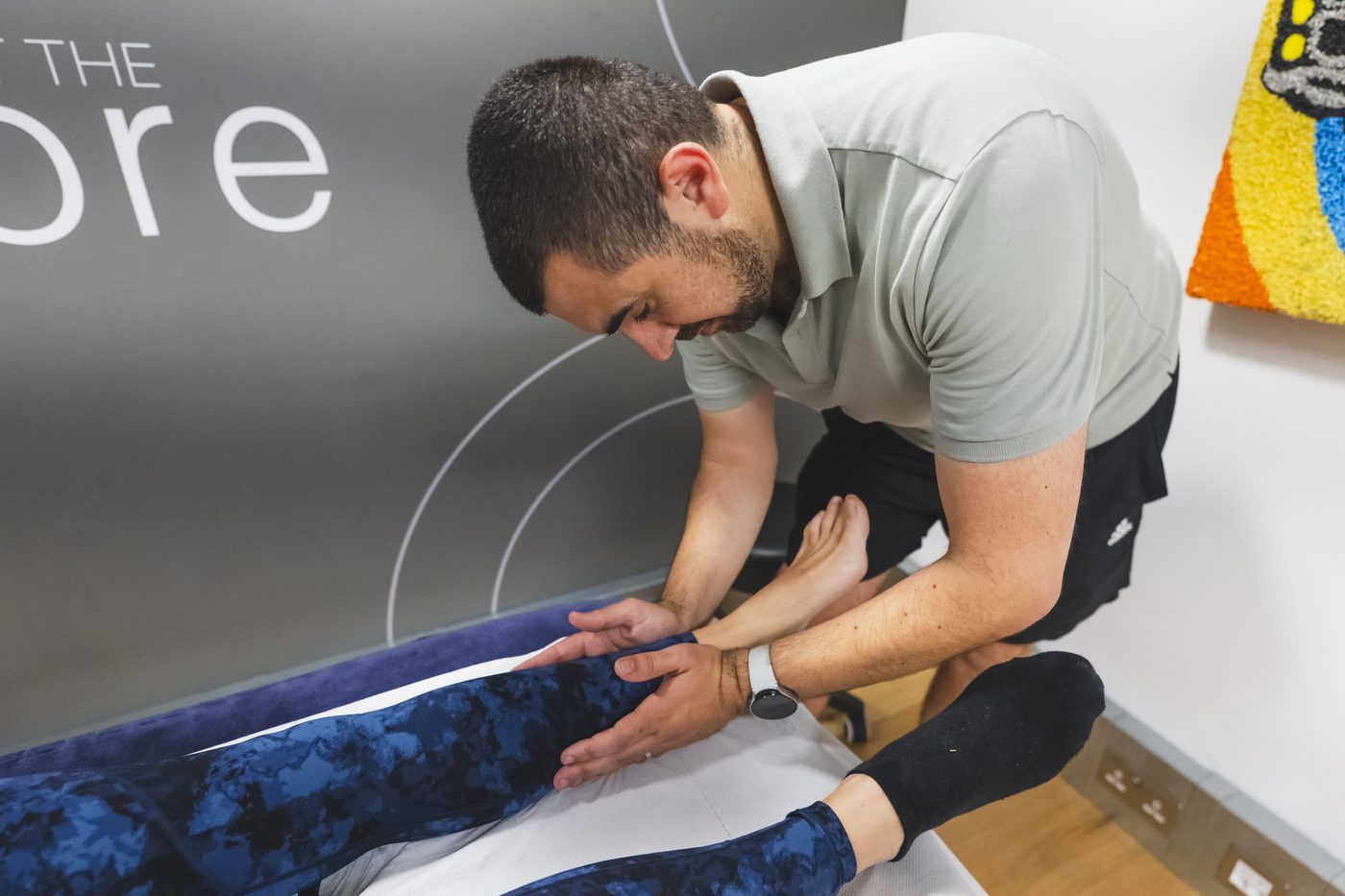
A thorough hands-on assessment of how you move, so we treat the cause and not just where it hurts.
03
You leave with a plan
You will understand what is wrong, how long it should take, and exactly what to do next, including treatment and exercises to start straight away.
Good questions.
Should I stretch a pulled hamstring?
Not aggressively in the early stages. Gentle movement and early strengthening are usually better. We will show you what is right for your stage of recovery.
How do I stop it happening again?
Building hamstring strength, especially with exercises that load the muscle as it lengthens, is one of the best ways to reduce the risk of another injury.