Knee pain
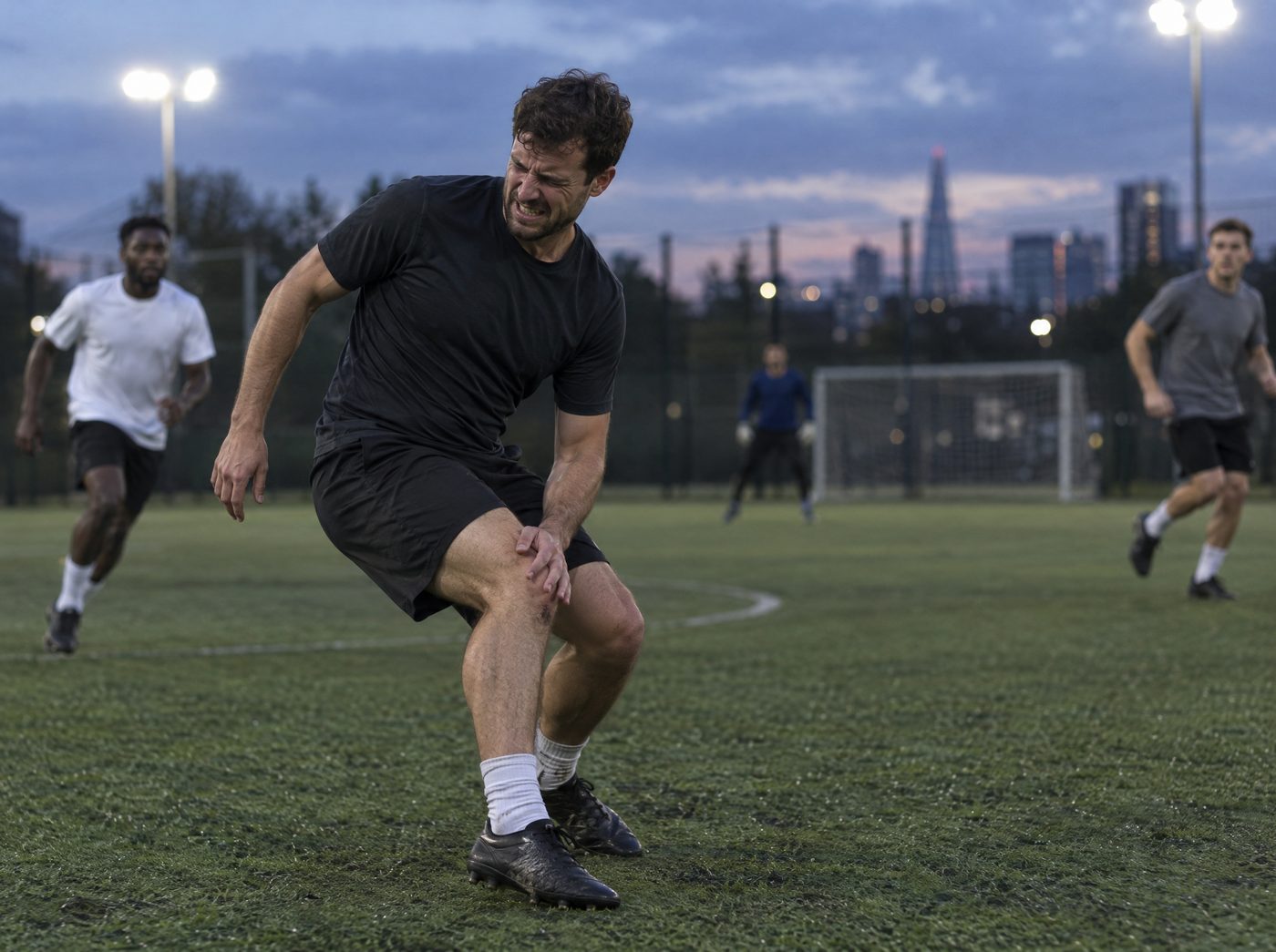
Knee pain affects people at every stage, from new runners and five-a-side players to busy parents on the stairs all day.
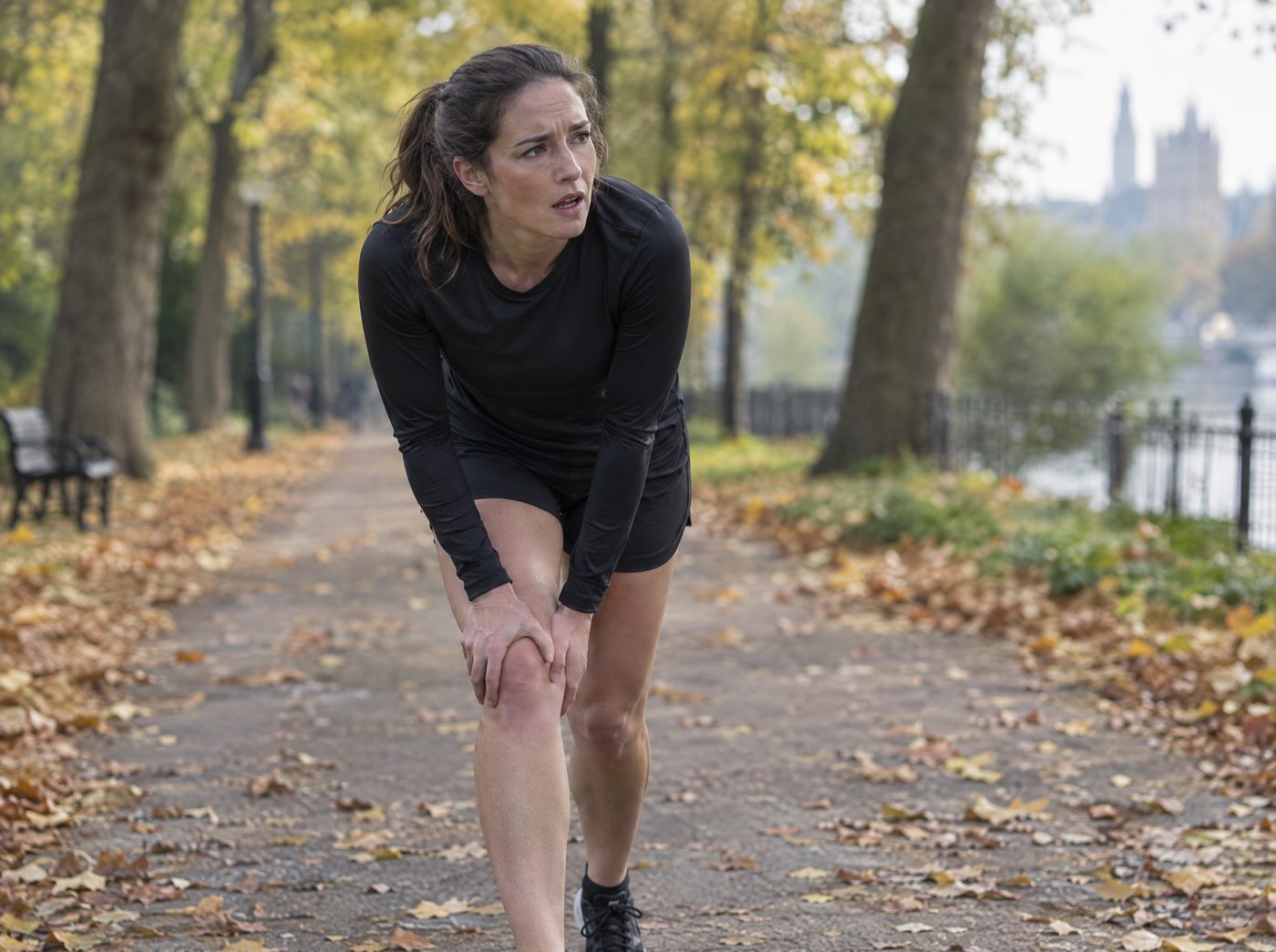
Your knee is affected by what happens at the hip and ankle, so knee pain is often about more than the knee. Common problems include pain around the kneecap (often called runner's knee), meniscus irritation, ligament sprains and arthritis. Rest might calm a sore knee, but it rarely fixes it. A clear diagnosis and a strengthening plan usually do.
You might notice
- Pain around or behind the kneecap, especially on stairs
- Pain or stiffness after sitting for a long time
- Swelling after activity
- Clicking, catching or the knee giving way
- Pain when squatting, kneeling or running
Common causes
- Increasing running or exercise too quickly
- Weakness in the thigh and hip muscles
- Twisting injuries affecting the meniscus or ligaments
- Osteoarthritis and age-related changes
- Stiff ankles or hips changing how the knee is loaded
How we work on knee pain.
- 01
Calm the knee
Load advice, hands-on treatment and taping to settle pain without stopping everything.
- 02
Look above and below
How your hips, ankles and running or training habits load the knee.
- 03
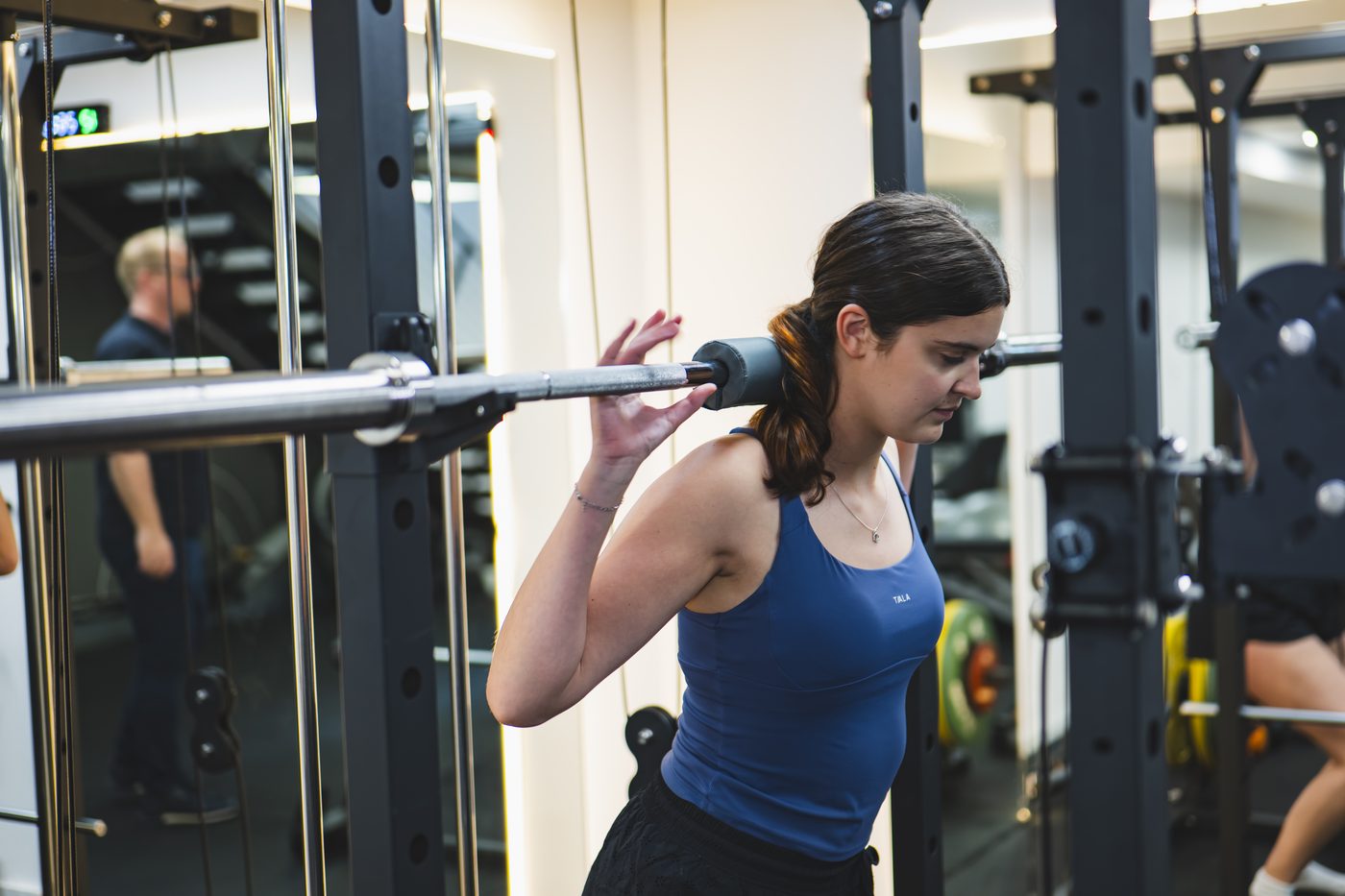
Rebuild strength
Progressive work for the thigh, hip and calf muscles that protect the knee.
- 04
Return to running and sport
A graded plan back to the activities you love, with clear steps.
- An assessment of how you move, not just the painful knee
- Hands-on treatment and taping to settle pain
- A strengthening programme for the knee, hip and calf
- Guidance on running, gym work and daily activity while you recover
- A return-to-sport or return-to-activity plan with clear steps
Kneecap pain and runner's knee often improve within six to twelve weeks of the right exercise. Other knee problems vary, and we will give you a realistic timeframe after your assessment.
Elite-level care, on your case.
The people who have looked after Premier League footballers and Premiership rugby players will look after you. Same standards, same attention to detail, whatever brings you in.

Your first appointment.
01
We listen
Your first appointment lasts an hour with a senior physiotherapist. We start by understanding your symptoms, your history, your work and what you want to get back to.
02
We find the cause
A thorough hands-on assessment of how you move, so we treat the cause and not just where it hurts.
03
You leave with a plan
You will understand what is wrong, how long it should take, and exactly what to do next, including treatment and exercises to start straight away.
Good questions.
Should I stop running?
Not always. Many people can keep running at a reduced level while they recover. We will help you find a level that does not make things worse.
Do I need an MRI?
Most knee problems can be diagnosed with a careful clinical assessment. If a scan would change your treatment, we will tell you.